Affiliate De-Cloaking: The Hidden Risk to Your CPA Campaigns
Introduction
In affiliate marketing, cloaking has become a standard practice to protect campaigns from being rejected, copied, or penalized. But with the rise of Affiliate De-Cloaking, platforms and competitors are turning the tables, using forensic techniques to uncover what cloakers are trying to hide.
What Is Affiliate De-Cloaking?
Affiliate De-Cloaking refers to the process of detecting and bypassing cloaking layers to reveal the actual (often non-compliant) landing pages behind ad links. It's a countermeasure employed by ad platforms, fraud detection services, and even rival affiliates.
The goal is simple: expose the hidden content and penalize the account or offer behind it.
Common Techniques Used in De-Cloaking
IP rotation and scanner sweeps
Automated browser emulation with JS fingerprinting
Header manipulation and DNS trace analysis
Click-path replication using proxy devices
Content differential analysis between white/black pages
Why De-Cloaking Is a Threat to Affiliates
Campaigns get shut down despite cloaking
Offers are copied by competitors
CPA networks reject payment due to “policy breach”
Retargeting paths get hijacked or indexed
How Ads-Cloak Helps You Stay Invisible
Ads-Cloak’s infrastructure is built not just for cloaking, but for anti-de-cloaking resilience:
Traffic fingerprinting in real time
JS rendering protection and spoofed DOM structures
Multi-layer redirect obfuscation (geo/device/time-based)
Custom exit paths and click-tracking encryption
Daily bot sweep log reports and alert triggers
Industries Most at Risk
If you operate in the following verticals, de-cloaking can ruin your funnel:
Adult or dating offers
Gambling, crypto, or unregulated financial tools
Nutra/health/weight loss campaigns
Software trials or unlock tools
Multi-hop survey and quiz flows
Final Thoughts and CTA
Affiliate De-Cloaking is the silent killer of high-ROI campaigns. If you're serious about scaling, you need to protect your pages not just from bans, but from being seen at all. Start your free trial at ads-cloak.com and deploy anti-de-cloaking architecture today.
About Author
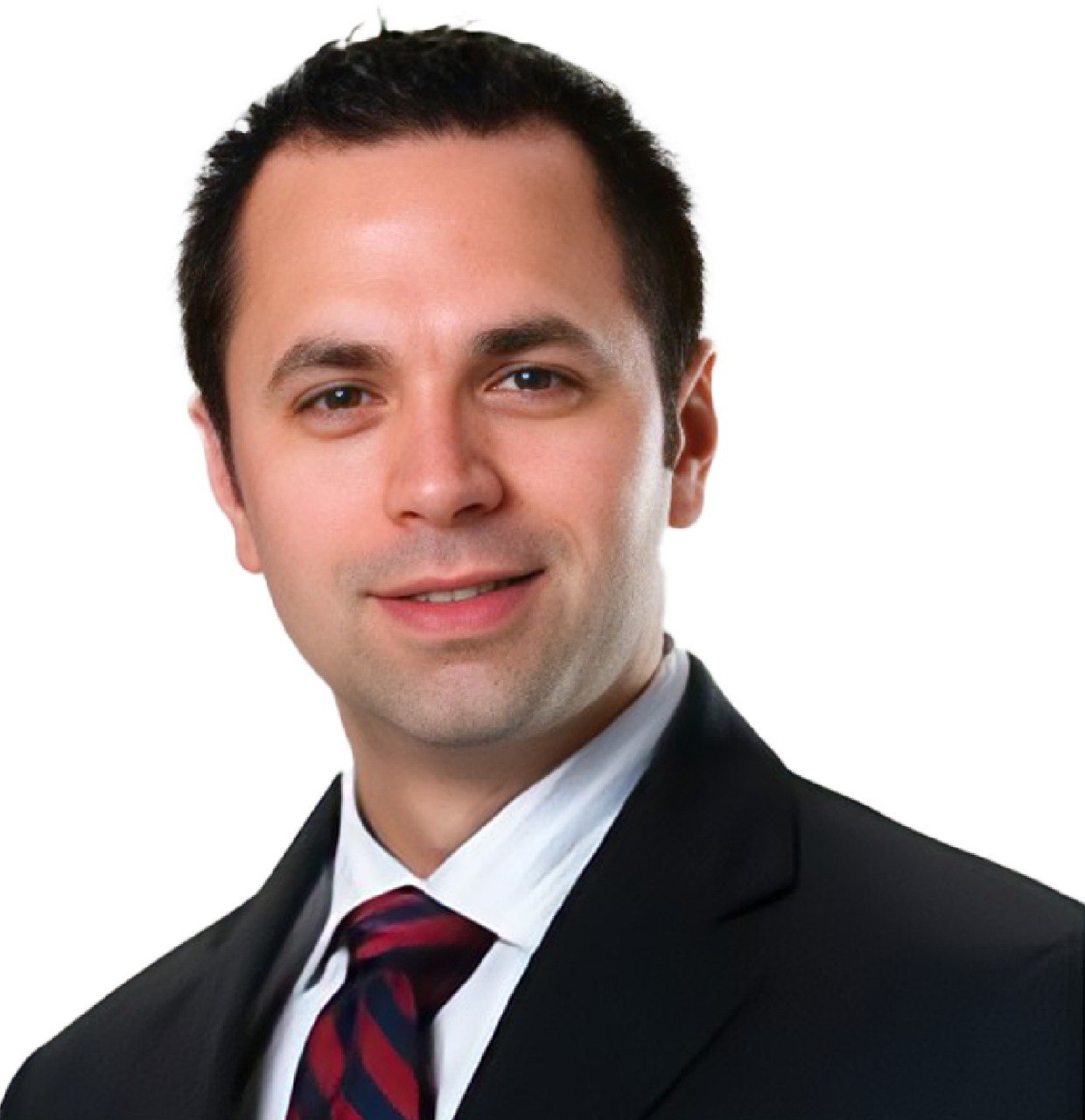
马克·塞巴斯蒂安
全球顶尖广告斗篷技术专家 | 合规化流量过滤解决方案架构师 专注于为跨境高敏感行业提供广告审核规避系统与智能流量分层技术,主攻Facebook、Google、TikTok等主流平台的广告政策漏洞分析与反侦测策略研发,拥有8年黑灰产对抗实战经验。